Designing Landscapes That Look Great Year-Round

Creating a landscape that looks attractive year-round transforms your Carrollton property from one that peaks in spring and fades into a winter slump to an ever-changing showcase. The key is layered design using perennial plants, evergreens, and interesting winter berries.

Unfortunately, many homeowners prioritize short bursts of beauty and neglect the rest. This results in seasonal maintenance challenges that eat away at time and energy. Visit Website for more information.

Evergreens
Landscapes

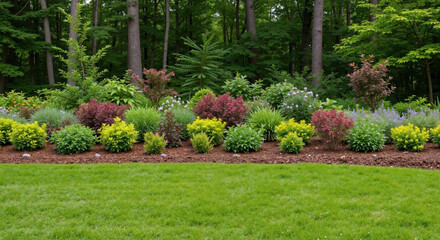
Evergreen trees and shrubs provide structure and balance to the landscape. They stand up to snow and winds, and help anchor planting areas, defining edges and balancing focal points. Evergreens can also create a sense of scale for larger outdoor features like patios, steps and walkways. Pairing them with low-lying perennial blooms, like camellias and azaleas, or other seasonal color, provides an opportunity for contrast that extends the season’s visual interest.

Planting with evergreens allows for greater flexibility in your design and maintenance regime. For instance, while many herbaceous plants require pruning in the fall, evergreens don’t, making them a convenient choice for planting along sidewalks and driveways. They also don’t drop their foliage in winter, giving them an added layer of texture and color in the garden when deciduous shrubs and flowers are dormant.

Depending on the species selected, evergreens can provide a wide range of textures and colors. Foliage varies from bright green to deep forest green and burgundy, and some offer variegated or blue-gray coloring as well. The texture of evergreens is often enhanced by combining them with tall grasses and spreading ground cover shrubs.

Taller evergreens, particularly conifers, are like year-round exclamation points in the landscape. Their sculptural form and sturdiness add visual interest in winter, when other plants are bare or at their tiniest. They’re a popular choice for foundation plantings, and can serve as natural privacy screens or backdrops for more delicate shrubs and flowering perennials.

In the front yard, evergreens can be used to frame doorways and porches, highlight a favorite specimen tree or planter box, or establish boundaries for lawn areas that aren’t shaded by buildings or large trees. Their slender shape can even soften the lines of hardscape elements, and make pathways and patios feel more welcoming in winter.

Arborvitae, holly (including yarrow and dwarf Chinese holly), juniper and spruce are the most common types of evergreens, but there are hundreds of different options to choose from. Planting them in the correct environment with good drainage and soil conditions is key, and light shaping with a hedge trimmer or pruning shears during the correct season helps them maintain their shape and vigor.

Texture

Many gardeners focus on choosing plants that flower throughout the spring, summer and fall to provide attractive visuals during those seasons. But if you want your landscape to look good year-round, you should also focus on selecting plants that add texture when they aren’t in bloom.

Achieving a four-season aesthetic involves using a combination of perennial plants, evergreen trees, and hardscaping elements. You can use the plant selection process to create a sense of style that is consistent through the seasons.

For example, if you want your landscape to have a modern feel, consider incorporating plants like yaupon hollies (Cedrus jubatus), flowering dogwoods (Cornus florida), and eastern redbuds (Cercis canadensis) for their vibrant spring flowers. These same plants can also be used for their colorful autumn foliage and for their winter berries, which offer additional color to the landscape.

Similarly, the trunks and bark of trees can play a role in the overall texture of a landscape. Slick, straight trunks like those of crape myrtles (Lagerstroemia indica) and yaupon hollies can give a modern, sleek feeling to the landscape, while textured barks like those of hickory (Carya spp.), redbuds, and Texas persimmons can add more drama.

In winter, it’s important to incorporate plants that can stand up to the snow and ice that dominates much of the country. For this, it’s a great idea to choose shrubs and trees with interesting bark or twig structure, or that feature a contrasting color like white or gray. The same holds true for grasses, which can help keep a landscape from looking completely stark and barren in the winter.

Focal Points

Focal points grab your attention and pique interest in the landscape. They can be a statement plant, water feature, statue, bench, garden art, or even a decorative element like a trellis or panel. Focal points provide definition and purpose, tying the garden together. They can also help draw the eye and distract from an unsightly feature or lack of plantings. Focal points that contrast in form, texture or color make them stand out and create a sense of visual balance and symmetry. Choose focal points that fit with your overall garden style, such as a fountain or statue in a cottage garden or a classic statuary in a formal European-style design. Focal points should also complement the scale of your home and garden, as well as the style of the surrounding neighborhood.

Using multiple focal points throughout the garden provides continuity of color and interest from season to season. This can be accomplished by incorporating plants with staggered bloom times. For example, a dogwood tree (Cornus florida) offers spring flowers, late summer fruit and vibrant fall foliage. Other plants that offer multifaceted seasonal interest include the corkscrew willow (Chamaecyparis) with its colorful bark, spruce (Picea sp.) with its textured winter needles, and the perennial black-eyed susan (Rudbeckia) with its beautiful seed heads in fall.

Another way to add year-round interest is by introducing structural elements that are striking in their own right, such as a decorative gate or an arched entryway. These can be used to divide garden rooms or create a grand entrance to your property. Incorporate lighting to highlight these features at night for added drama and impact.

A good rule of thumb is to have one or two focal points in each garden area. Adding too many competing focal points can overwhelm the space and cause visual confusion. Use hardscape elements, such as paths or lighting, to subtly highlight your focal points and avoid overcrowding. Creating a landscape with a year-round visual rhythm requires a thoughtful blend of plant selection, evergreen foliage and hardscaping. By designing with these key elements, you can have a garden that is as appealing in the off-season as it is during its peak.

Maintenance

While it is easy to find plants that bloom for just a few weeks in spring, summer or fall, it takes more thought and effort to select flowers, shrubs and trees that offer color for multiple seasons. This is where perennials come in. Perennials provide color all year long and are usually low maintenance. This is especially true of sedum, perennial kale and ornamental grasses, which are often used for ground cover or in beds around evergreens.

Achieving a four-season landscape requires a combination of plant selection, evergreen foliage, and hardscaping. In addition, the use of seasonal features helps to create a dynamic landscape that is visually engaging throughout the entire year.

Seasonal interest starts with a well-designed plan that is implemented over time. Many gardeners start by identifying visual gaps in their landscape and then selecting appropriate plants to fill those spaces. This process may take a few years to complete, but the result is a landscape that offers beauty and enjoyment for much of the year.

Once the plantings have been chosen, a thoughtful blend of colors, textures, and floral varieties is important to maintain year-round interest. This approach also helps to reduce the amount of maintenance required as the garden transitions through the seasons.

The final piece to consider is how to add interest to the landscape in winter, when most of the plants are dormant. There are a number of ways to achieve this, including evergreens like deodar cedar (Cedrus deodara) and Arizona cypress (Cupressus arizonica), shrubs with attractive seed heads or brightly colored berries, such as American holly (Ilex opaca), and trees that provide interesting branch structure, such as common witch hazel (Hamamelis virginiana).

The goal is a landscape that is colorful, engaging and aesthetically pleasing in all seasons. It is not always easy to achieve, but with a bit of planning and the use of a mix of plant types, it is possible.
The Most Common Causes of Foundation Cracks and How to Address Them

A strong foundation is essential to the safety, stability, and longevity of any structure. It carries the entire weight of the building and distributes that load evenly into the ground. When foundation cracks appear, they can trigger understandable concern among property owners. While not all cracks indicate serious structural failure, they should never be ignored. Understanding the most common causes of foundation cracks—and how to address them—can help homeowners protect their investment and avoid costly repairs in the future.

foundation repair

Foundation cracks develop for various reasons, ranging from natural settling to significant soil movement and water intrusion. Identifying the underlying cause is critical because effective repairs depend on an accurate diagnosis. Some cracks are cosmetic, while others signal deeper structural issues that require professional Foundation Repair Nashville intervention.

Natural Settlement of the Structure

One of the most common causes of foundation cracks is natural settlement. After construction, buildings gradually adjust to the soil beneath them. This settling process is normal and often results in small, vertical cracks that do not pose immediate structural risks.

As soil compacts under the weight of the structure, minor shifts occur. If the settling happens uniformly, cracks may be minimal. However, uneven settlement—where one part of the foundation sinks more than another—can lead to wider cracks and structural imbalance.

To address settlement-related cracks, property owners should:

  1. Monitor crack size and direction over time to ensure they do not widen or spread.
  2. Seal minor cracks with appropriate fillers to prevent water intrusion and further deterioration.

In cases of significant uneven settlement, professional evaluation may be necessary to stabilize the foundation and prevent further movement.

Soil Expansion and Contraction

Soil conditions play a major role in foundation performance. Certain types of soil expand when they absorb moisture and shrink when they dry out. This repeated expansion and contraction creates pressure against foundation walls, leading to cracks.

Clay-rich soils are particularly susceptible to these changes. During heavy rainfall, saturated soil swells and exerts outward pressure. In dry conditions, shrinking soil can create voids beneath the foundation, causing sections to sink.

To mitigate soil-related cracking, homeowners can:

  1. Maintain consistent moisture levels around the foundation by managing irrigation systems and landscaping.
  2. Install proper drainage systems to direct water away from the structure.

By stabilizing soil conditions, property owners reduce stress on the foundation and limit crack formation.

Poor Drainage and Water Accumulation

Water is one of the most destructive forces affecting foundations. Poor drainage allows water to accumulate around the base of the structure, increasing hydrostatic pressure against foundation walls. Over time, this pressure can cause cracks, bowing walls, and structural weakening.

Improper grading, clogged gutters, and insufficient downspout extensions are common contributors to water-related foundation damage. Even small amounts of persistent moisture can infiltrate concrete and compromise its integrity.

Addressing drainage issues typically involves:

  1. Ensuring gutters and downspouts direct water at least several feet away from the foundation.
  2. Regrading the surrounding soil to promote proper runoff.
  3. Installing perimeter drainage systems to reduce hydrostatic pressure.

Preventative water management is essential for maintaining a crack-free foundation.

Tree Roots and Vegetation Growth

Large trees and shrubs planted too close to a structure can contribute to foundation cracks. Tree roots naturally seek moisture and may grow toward the foundation in search of water. In doing so, they can displace soil and create uneven pressure on foundation walls.

Additionally, roots may absorb significant amounts of moisture from the surrounding soil, causing it to shrink and shift. This imbalance can lead to settlement and cracking.

To prevent root-related damage, property owners should:

  1. Avoid planting large trees near the foundation.
  2. Regularly inspect landscaping for signs of root intrusion or soil displacement.

If root damage is suspected, consulting a professional for both landscaping and structural assessment may be necessary.

Construction and Design Issues

Sometimes foundation cracks originate from construction practices or design flaws. Inadequate soil preparation, improper curing of concrete, or insufficient reinforcement can weaken the foundation from the outset.

Concrete naturally shrinks as it cures, which can result in hairline cracks. While these shrinkage cracks are typically cosmetic, poor construction techniques can exacerbate the problem.

If cracks appear shortly after construction or renovation, it may indicate:

  1. Improper compaction of soil before pouring the foundation.
  2. Inadequate reinforcement or poor-quality concrete mix.

Addressing these issues often requires professional evaluation to determine whether structural reinforcement or corrective measures are necessary.

Temperature Fluctuations and Freeze-Thaw Cycles

Climate conditions significantly impact foundation integrity. In colder regions, water that seeps into small cracks can freeze and expand, widening the cracks over time. Repeated freeze-thaw cycles accelerate deterioration and compromise structural strength.

In warmer climates, extreme heat can dry out soil and cause shrinkage, leading to uneven support and cracking. Temperature changes also cause concrete to expand and contract, contributing to stress fractures.

Preventative measures include:

  1. Sealing cracks promptly to prevent moisture infiltration.
  2. Ensuring adequate insulation and moisture barriers in foundation walls.

By minimizing exposure to extreme moisture and temperature shifts, homeowners can reduce climate-related cracking.

Excessive Load or Structural Changes

Foundations are designed to support specific loads. Adding additional weight—such as heavy equipment, structural additions, or extra stories—without proper assessment can strain the foundation. This stress may result in cracking or settlement.

Structural modifications should always be evaluated by qualified professionals to ensure the foundation can handle the increased load. If cracks develop after renovations, it may signal insufficient structural support.

Addressing load-related cracks often involves reinforcing the foundation with additional supports or underpinning methods.

Identifying the Severity of Foundation Cracks

Not all foundation cracks are created equal. Understanding the type and orientation of a crack helps determine its severity.

  1. Vertical Cracks – Often caused by normal settlement and typically less severe if narrow and stable.
  2. Horizontal Cracks – May indicate significant pressure from soil or water and require immediate attention.
  3. Stair-Step Cracks – Common in block foundations and often associated with differential settlement.
  4. Diagonal Cracks – Frequently linked to uneven settling or soil movement.

Monitoring crack width and progression is essential. Cracks wider than a quarter inch or those that continue to grow should be inspected by a professional.

Repair Methods for Foundation Cracks

The appropriate repair method depends on the underlying cause and severity of the crack. Minor cosmetic cracks can often be sealed with epoxy or polyurethane injections to prevent water infiltration.

For more significant structural issues, solutions may include:

  1. Installing wall anchors or braces to counteract lateral pressure.
  2. Underpinning the foundation with piers to stabilize settling sections.
  3. Improving drainage systems to relieve hydrostatic pressure.

Professional assessment ensures that repairs address the root cause rather than merely concealing symptoms.

Preventative Maintenance to Avoid Future Cracks

Preventive maintenance plays a crucial role in minimizing foundation cracking. Routine inspections, proper drainage management, and soil moisture control all contribute to long-term stability.

Homeowners should establish a maintenance routine that includes:

  1. Checking for signs of water pooling or soil erosion near the foundation.
  2. Inspecting walls and floors regularly for new or expanding cracks.
  3. Maintaining consistent landscaping practices to prevent soil imbalance.

Proactive care reduces the likelihood of costly structural repairs and preserves the value of the property.

The Impact of Foundation Cracks on Property Value

Foundation integrity directly influences property value. Visible cracks can raise concerns among potential buyers and affect marketability. Even minor cracks may prompt requests for inspections or price reductions during negotiations.

Addressing foundation cracks promptly not only ensures structural safety but also protects financial investment. Well-documented repairs and preventative measures reassure buyers that the property has been responsibly maintained.

Protecting Your Foundation for the Long Term

Foundation cracks are a common issue, but they should never be ignored. From natural settlement and soil movement to water intrusion and temperature fluctuations, numerous factors can contribute to cracking. Understanding these causes allows property owners to take proactive steps to address and prevent damage.

Timely repairs, proper drainage management, and regular inspections are key to maintaining a stable foundation. By identifying issues early and implementing effective solutions, homeowners safeguard both structural integrity and property value.

A strong, well-maintained foundation supports more than just the physical structure—it supports long-term security, safety, and peace of mind. Taking preventative action today ensures that your property remains stable and resilient for years to come.