A strong foundation is essential to the safety, stability, and longevity of any structure. It carries the entire weight of the building and distributes that load evenly into the ground. When foundation cracks appear, they can trigger understandable concern among property owners. While not all cracks indicate serious structural failure, they should never be ignored. Understanding the most common causes of foundation cracks—and how to address them—can help homeowners protect their investment and avoid costly repairs in the future.
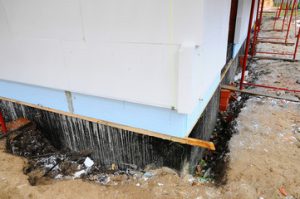
Foundation cracks develop for various reasons, ranging from natural settling to significant soil movement and water intrusion. Identifying the underlying cause is critical because effective repairs depend on an accurate diagnosis. Some cracks are cosmetic, while others signal deeper structural issues that require professional Foundation Repair Nashville intervention.
Natural Settlement of the Structure
One of the most common causes of foundation cracks is natural settlement. After construction, buildings gradually adjust to the soil beneath them. This settling process is normal and often results in small, vertical cracks that do not pose immediate structural risks.
As soil compacts under the weight of the structure, minor shifts occur. If the settling happens uniformly, cracks may be minimal. However, uneven settlement—where one part of the foundation sinks more than another—can lead to wider cracks and structural imbalance.
To address settlement-related cracks, property owners should:
- Monitor crack size and direction over time to ensure they do not widen or spread.
- Seal minor cracks with appropriate fillers to prevent water intrusion and further deterioration.
In cases of significant uneven settlement, professional evaluation may be necessary to stabilize the foundation and prevent further movement.
Soil Expansion and Contraction
Soil conditions play a major role in foundation performance. Certain types of soil expand when they absorb moisture and shrink when they dry out. This repeated expansion and contraction creates pressure against foundation walls, leading to cracks.
Clay-rich soils are particularly susceptible to these changes. During heavy rainfall, saturated soil swells and exerts outward pressure. In dry conditions, shrinking soil can create voids beneath the foundation, causing sections to sink.
To mitigate soil-related cracking, homeowners can:
- Maintain consistent moisture levels around the foundation by managing irrigation systems and landscaping.
- Install proper drainage systems to direct water away from the structure.
By stabilizing soil conditions, property owners reduce stress on the foundation and limit crack formation.
Poor Drainage and Water Accumulation
Water is one of the most destructive forces affecting foundations. Poor drainage allows water to accumulate around the base of the structure, increasing hydrostatic pressure against foundation walls. Over time, this pressure can cause cracks, bowing walls, and structural weakening.
Improper grading, clogged gutters, and insufficient downspout extensions are common contributors to water-related foundation damage. Even small amounts of persistent moisture can infiltrate concrete and compromise its integrity.
Addressing drainage issues typically involves:
- Ensuring gutters and downspouts direct water at least several feet away from the foundation.
- Regrading the surrounding soil to promote proper runoff.
- Installing perimeter drainage systems to reduce hydrostatic pressure.
Preventative water management is essential for maintaining a crack-free foundation.
Tree Roots and Vegetation Growth
Large trees and shrubs planted too close to a structure can contribute to foundation cracks. Tree roots naturally seek moisture and may grow toward the foundation in search of water. In doing so, they can displace soil and create uneven pressure on foundation walls.
Additionally, roots may absorb significant amounts of moisture from the surrounding soil, causing it to shrink and shift. This imbalance can lead to settlement and cracking.
To prevent root-related damage, property owners should:
- Avoid planting large trees near the foundation.
- Regularly inspect landscaping for signs of root intrusion or soil displacement.
If root damage is suspected, consulting a professional for both landscaping and structural assessment may be necessary.
Construction and Design Issues
Sometimes foundation cracks originate from construction practices or design flaws. Inadequate soil preparation, improper curing of concrete, or insufficient reinforcement can weaken the foundation from the outset.
Concrete naturally shrinks as it cures, which can result in hairline cracks. While these shrinkage cracks are typically cosmetic, poor construction techniques can exacerbate the problem.
If cracks appear shortly after construction or renovation, it may indicate:
- Improper compaction of soil before pouring the foundation.
- Inadequate reinforcement or poor-quality concrete mix.
Addressing these issues often requires professional evaluation to determine whether structural reinforcement or corrective measures are necessary.
Temperature Fluctuations and Freeze-Thaw Cycles
Climate conditions significantly impact foundation integrity. In colder regions, water that seeps into small cracks can freeze and expand, widening the cracks over time. Repeated freeze-thaw cycles accelerate deterioration and compromise structural strength.
In warmer climates, extreme heat can dry out soil and cause shrinkage, leading to uneven support and cracking. Temperature changes also cause concrete to expand and contract, contributing to stress fractures.
Preventative measures include:
- Sealing cracks promptly to prevent moisture infiltration.
- Ensuring adequate insulation and moisture barriers in foundation walls.
By minimizing exposure to extreme moisture and temperature shifts, homeowners can reduce climate-related cracking.
Excessive Load or Structural Changes
Foundations are designed to support specific loads. Adding additional weight—such as heavy equipment, structural additions, or extra stories—without proper assessment can strain the foundation. This stress may result in cracking or settlement.
Structural modifications should always be evaluated by qualified professionals to ensure the foundation can handle the increased load. If cracks develop after renovations, it may signal insufficient structural support.
Addressing load-related cracks often involves reinforcing the foundation with additional supports or underpinning methods.
Identifying the Severity of Foundation Cracks
Not all foundation cracks are created equal. Understanding the type and orientation of a crack helps determine its severity.
- Vertical Cracks – Often caused by normal settlement and typically less severe if narrow and stable.
- Horizontal Cracks – May indicate significant pressure from soil or water and require immediate attention.
- Stair-Step Cracks – Common in block foundations and often associated with differential settlement.
- Diagonal Cracks – Frequently linked to uneven settling or soil movement.
Monitoring crack width and progression is essential. Cracks wider than a quarter inch or those that continue to grow should be inspected by a professional.
Repair Methods for Foundation Cracks
The appropriate repair method depends on the underlying cause and severity of the crack. Minor cosmetic cracks can often be sealed with epoxy or polyurethane injections to prevent water infiltration.
For more significant structural issues, solutions may include:
- Installing wall anchors or braces to counteract lateral pressure.
- Underpinning the foundation with piers to stabilize settling sections.
- Improving drainage systems to relieve hydrostatic pressure.
Professional assessment ensures that repairs address the root cause rather than merely concealing symptoms.
Preventative Maintenance to Avoid Future Cracks
Preventive maintenance plays a crucial role in minimizing foundation cracking. Routine inspections, proper drainage management, and soil moisture control all contribute to long-term stability.
Homeowners should establish a maintenance routine that includes:
- Checking for signs of water pooling or soil erosion near the foundation.
- Inspecting walls and floors regularly for new or expanding cracks.
- Maintaining consistent landscaping practices to prevent soil imbalance.
Proactive care reduces the likelihood of costly structural repairs and preserves the value of the property.
The Impact of Foundation Cracks on Property Value
Foundation integrity directly influences property value. Visible cracks can raise concerns among potential buyers and affect marketability. Even minor cracks may prompt requests for inspections or price reductions during negotiations.
Addressing foundation cracks promptly not only ensures structural safety but also protects financial investment. Well-documented repairs and preventative measures reassure buyers that the property has been responsibly maintained.
Protecting Your Foundation for the Long Term
Foundation cracks are a common issue, but they should never be ignored. From natural settlement and soil movement to water intrusion and temperature fluctuations, numerous factors can contribute to cracking. Understanding these causes allows property owners to take proactive steps to address and prevent damage.
Timely repairs, proper drainage management, and regular inspections are key to maintaining a stable foundation. By identifying issues early and implementing effective solutions, homeowners safeguard both structural integrity and property value.
A strong, well-maintained foundation supports more than just the physical structure—it supports long-term security, safety, and peace of mind. Taking preventative action today ensures that your property remains stable and resilient for years to come.